Email Us: pptinspections@hotmail.com
Call Us: (313) 399-7016
The Hidden Science of Moisture Movement: Why Vapor Drive Matters in Home Inspections
When most homeowners think about moisture problems, they picture obvious issues like roof leaks or plumbing failures. However, one of the least understood yet most damaging moisture-related issues in homes is something many people have never heard of: vapor drive.
Understanding vapor drive can make the difference between a healthy home and one plagued by mold, rot, and indoor air quality issues—and it’s a critical concept professional home inspections help uncover.
What Is Vapor Drive?
Vapor drive refers to the movement of moisture vapor through building materials, caused by differences in temperature and pressure. Moisture naturally moves from warm, humid areas to cooler, drier ones, often passing invisibly through walls, ceilings, and floors.
Unlike liquid water leaks, vapor drive:
Is invisible to the naked eye
Can occur even when a home appears “dry”
Often causes long-term structural and health problems
Why Vapor Drive Is Often Missed During Homeownership
Vapor drive is rarely discussed outside professional construction or inspection circles because:
It doesn’t always leave immediate signs
Damage occurs behind walls and under flooring
Homeowners may mistake symptoms for “normal humidity”
Common warning signs include:
Peeling paint or bubbling drywall
Musty odors without visible mold
Warped wood flooring
Condensation inside walls or attics
How Vapor Drive Affects Different Areas of the Home
Attics
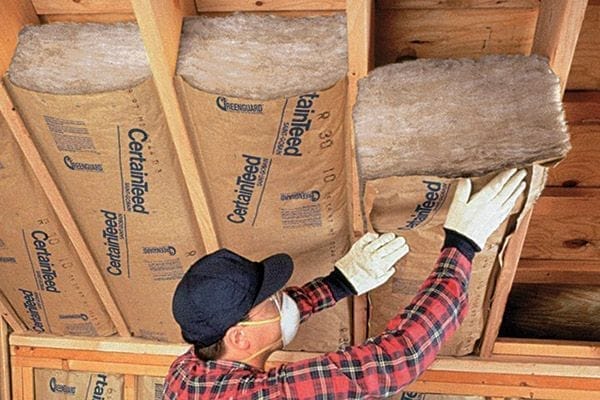
Improper ventilation allows warm, moist air to rise and condense on cooler roof surfaces, leading to mold growth and wood rot.
Crawl Spaces
Ground moisture can migrate upward into floor systems if vapor barriers are missing or damaged.
Walls
In warm climates, moisture can move from outside to inside, becoming trapped behind interior finishes—especially in homes with improper insulation or outdated materials.
Why Professional Home Inspections Matter
A professional home inspection goes beyond surface-level observations. Trained inspectors understand:
How moisture travels through building assemblies
Where vapor barriers should (and should not) be installed
How ventilation, insulation, and climate interact
Advanced inspections may include:
Moisture meter readings
Thermal imaging
Evaluation of ventilation systems
Crawl space and attic assessments
These tools help identify moisture risks before they turn into costly repairs.
Preventing Vapor Drive Problems
While some moisture movement is inevitable, proper design and maintenance can minimize risk:
Ensure adequate attic and crawl space ventilation
Use proper vapor barriers for your climate
Seal air leaks around penetrations
Maintain HVAC systems to control indoor humidity
Most importantly, schedule regular home inspections—especially before buying, selling, or renovating a home.
Concerned about hidden moisture issues in your home?
Vapor drive may be an unfamiliar term, but its impact on your home can be significant. By understanding how moisture behaves and relying on professional home inspections, homeowners can protect their investment, improve indoor air quality, and avoid hidden damage that worsens over time.
Schedule a professional home inspection with PPT Inspections today and gain peace of mind knowing your property is thoroughly evaluated by experts who understand what others often miss.
If you’d like to learn more, click the link below for more information.