Email Us: info@pptinspections.com
Call Us: (313) 399-7016
Indoor Air Quality Home Inspection: Ventilation, Humidity, Mold Risk
Indoor air quality affects comfort, sleep, and health. Learn what home inspections look for in ventilation, humidity control, moisture sources, and mold risk.
The Invisible House: Why Indoor Air Quality and Ventilation Are Underrated
Countertops get attention. Paint colors get attention. But one of the most important “features” of a healthy home is invisible: air quality.
Indoor air quality affects:
● Comfort and odors
● Humidity and mold risk
● Sleep quality
● Allergens and irritation
● How “fresh” a home feels day to day
This topic is not commonly used in home inspection content, but it’s one of the most practical.
Signs Your Home May Have Ventilation or Humidity Problems
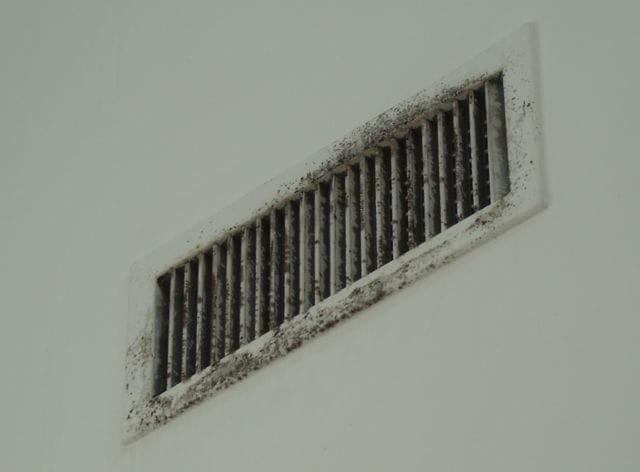
● persistent musty smells
● condensation on windows
● bathrooms that stay damp long after showers
● closets that smell “stale”
● recurring mildew on caulk or grout
● rooms that feel stuffy even when clean
A home inspection can help connect symptoms to causes.
What Inspectors Look for (Airflow + Moisture Conditions)
A home inspection often checks:
● bathroom exhaust fans venting properly (not into attic)
● kitchen ventilation effectiveness
● signs of moisture intrusion near windows/doors
● attic ventilation balance (intake + exhaust)
● crawlspace conditions (vapor barriers, dampness)
● HVAC condition and filtration setup
Many “mold situations” begin as ventilation and moisture management issues—not instant disasters.
Practical Improvements That Usually Help
Depending on findings:
● repair/upgrade bathroom exhaust ventilation
● seal moisture entry points
● improve drainage and grading outside
● address attic ventilation or insulation issues
● install humidity monitoring (simple hygrometers)
● maintain HVAC filters and airflow pathways
A Home That Breathes Is Easier To Live In
If your home feels heavy, stale, or damp, you’re not imagining it. Improving ventilation and moisture control often creates a noticeable change in comfort.
FAQ: Indoor Air Quality, Ventilation, and Radon Testing
A standard home inspection evaluates conditions that affect indoor air quality, such as ventilation, moisture control, and airflow patterns. Inspectors look for issues that can contribute to mold growth, stale air, or excess humidity, but specialized testing may be recommended for certain concerns.
Standard inspections typically identify visible mold-like growth and moisture conditions that increase mold risk. Laboratory mold testing is not usually included but may be recommended if conditions or symptoms suggest a deeper issue.
No—PPT Inspections does not perform mold testing. Mold sampling and lab analysis are specialized environmental services, and since Michigan does not regulate mold testing, if we observe conditions that may contribute to mold (such as moisture intrusion), we’ll document them and recommend a qualified environmental professional for further evaluation and testing.
Ventilation helps remove excess moisture, odors, and indoor pollutants. Poor ventilation—such as bathroom fans venting into an attic or blocked airflow—can trap humid air and contaminants inside the home, increasing long-term health and comfort issues.
Radon is a colorless, odorless radioactive gas that can enter a home from the ground through cracks and openings in the foundation. Long-term exposure to elevated radon levels is a leading cause of lung cancer among non-smokers, making it an important but often overlooked indoor air quality concern.
No. Radon cannot be detected by human senses. The only way to know your radon level is through proper testing, which is why radon testing is recommended during a home inspection or for existing homes.
Yes. PPT Inspections offers professional radon testing as an additional service. Radon testing complements a standard home inspection by evaluating a major indoor air quality factor that isn’t visible during a visual inspection.
PPT Inspections is a trusted, locally owned company serving Detroit, Troy, Sterling Heights, and surrounding areas since 1994. Specializing in comprehensive home inspections, we provide peace of mind with expert evaluations for buyers, sellers, and homeowners.
SERVICES
Home Inspections Spot Home Inspections Systems Inspections Termite Inspections Site Inspection Services Thermal Imaging Inspections NACA Home Inspections MPS Inspections Property Condition Inspections
Powered by CHall Unlimited

